Nepal runs on six adventure sports: trekking, white water rafting, paragliding, bungee jumping, mountain biking and mountaineering. Trekking is the headline act and takes one to three weeks, while everything else fits into a day or two and costs between USD 25 and USD 150. Pokhara is the base for paragliding and rafting, Kathmandu for biking and the bungee, and the Everest and Annapurna regions for everything on foot. October to November and March to April are the two seasons that work for all six.
Key Takeaways
- Trekking is the main event: 4 to 18 days, USD 450 to 1,900 guided, with a licensed guide now compulsory.
- Paragliding from Sarangkot above Pokhara costs USD 80 to 110 for a 25 to 30 minute tandem flight.
- White water rafting on the Trishuli runs USD 35 to 60 for a day, or USD 250 to 400 for a multi-day Sun Kosi trip.
- The Bhote Koshi bungee is 160 m, one of the highest in the world, at USD 100 to 140.
- Mountain biking the Kathmandu Valley rim costs USD 40 to 80 a day, including the bike.
- Most non-trekking sports can be booked a day or two ahead; treks need a week to six months.
Which Adventure Sports is Nepal Actually Known For?
Six, and they cluster around three bases. The country is small enough that a two-week trip can combine a trek with two or three day-sports without long transfers.
| Sport | Where | Time | Cost | Book ahead |
| Trekking | Everest, Annapurna, Langtang | 4 to 18 days | USD 450 to 1,900 | 1 week to 6 months |
| Paragliding | Sarangkot, Pokhara | 3 hours | USD 80 to 110 | 1 to 2 days |
| White water rafting | Trishuli, Seti, Sun Kosi | 1 to 9 days | USD 35 to 400 | 1 to 3 days |
| Bungee jumping | Bhote Koshi, or Pokhara | Half day | USD 100 to 140 | 1 to 2 days |
| Mountain biking | Kathmandu Valley, Mustang | 1 to 12 days | USD 40 to 80 per day | 2 to 3 days |
| Mountaineering | Island Peak, Mera Peak | 16 to 20 days | USD 2,200 to 4,000 | 2 to 4 months |
The practical split is worth noting. Trekking requires planning, permits, and lead time during peak season, while the rest can be arranged over breakfast the day before.
What Makes Trekking Nepal’s Flagship Adventure Sport?
Scale, and the fact that no technical skill is required to reach 5,500 m. Nepal’s teahouse system means lodges every one to two hours on the main routes, so nobody carries a tent, and a person who can walk six hours a day can stand below the highest mountains on earth.
The best-known route walks 130 km round trip from Lukla to Everest Base Camp and the viewpoint at Kala Patthar at 5,545 m, taking 12 to 14 days with two acclimatisation days built in.
| Route | Days | High point | Guided cost |
| Poon Hill | 4 to 5 | 3,210 m | USD 450 to 650 |
| Mardi Himal | 5 to 6 | 4,200 m | USD 550 to 750 |
| Annapurna Base Camp | 7 to 10 | 4,130 m | USD 800 to 1,100 |
| Langtang Valley | 7 to 9 | 4,984 m | USD 700 to 950 |
| Everest Base Camp | 12 to 14 | 5,545 m | USD 1,200 to 1,900 |
One rule changed the sport recently. Since April 2023, a licensed guide has been compulsory in every national park and conservation area, which covers all of the above, and checkpoints enforce it.
Altitude is the real difficulty rather than fitness. It is governed by how fast the body climbs, which is why the standard itineraries include rest days and why the shortened versions sold as time-savers roughly double the chance of getting sick.
Which Nepal Challenge Suits Endurance Athletes?
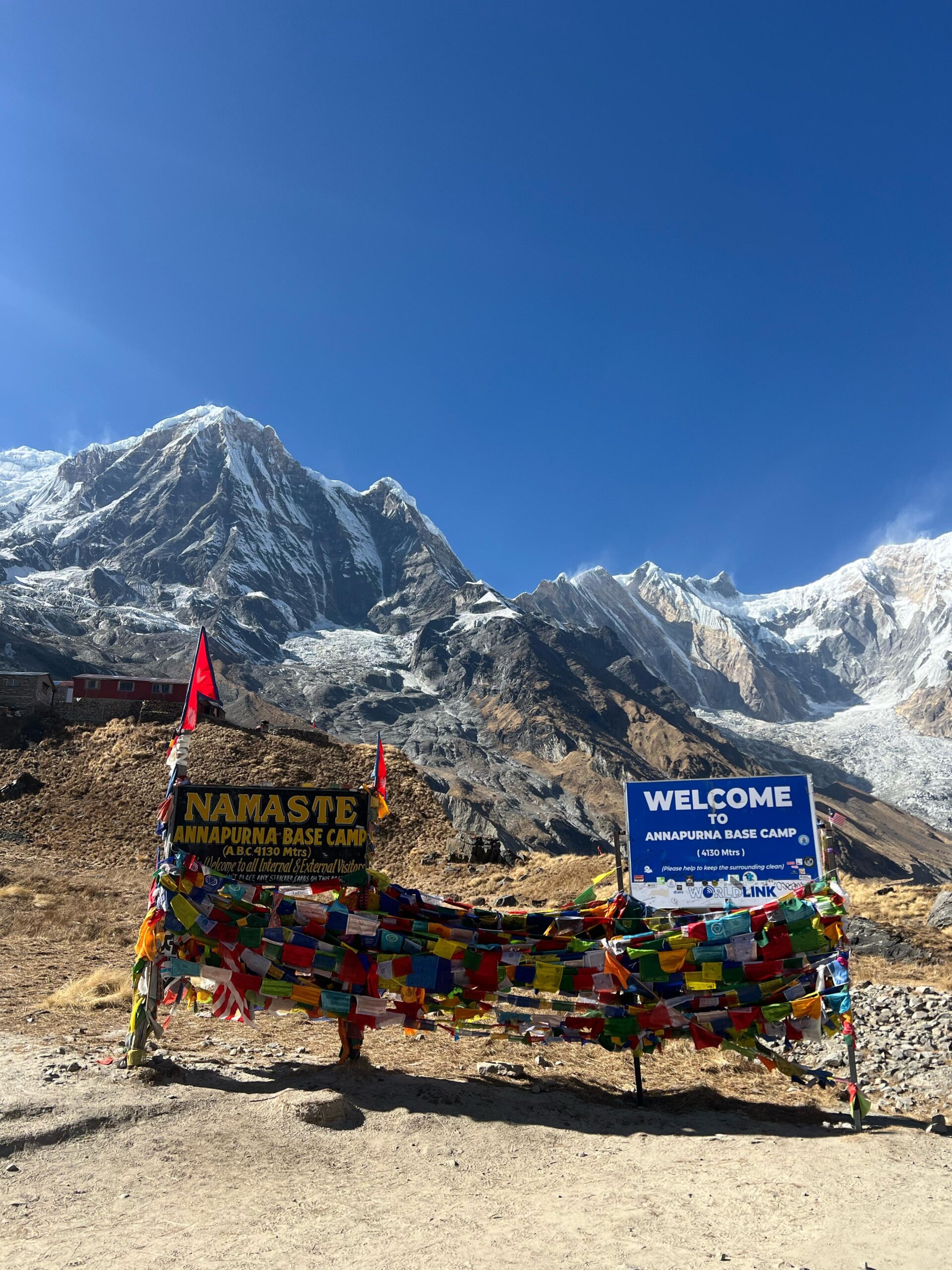
The long circuits, where the test is consecutive days rather than any single summit. The Annapurna Circuit runs 14 to 18 days with around 9,000 m of cumulative ascent, which is more total vertical than the Everest route despite topping out lower at the 5,416 m Thorong La.
For anyone who measures trips in numbers, these are the ones that return the biggest figures.
| Challenge | Days | Cumulative ascent | Notes |
| Everest Base Camp | 12 to 14 | around 6,000 m | Highest sleeping altitude at 5,164 m |
| Manaslu Circuit | 14 to 16 | around 9,000 m | Restricted area, two trekkers minimum |
| Annapurna Circuit | 14 to 18 | 9,000 to 11,000 m | Longest, most varied terrain |
| Three Passes, Everest region | 18 to 20 | around 10,000 m | Three crossings above 5,300 m |
| Island Peak climb | 16 to 18 | plus a 6,189 m summit | Introductory mountaineering, ropes and crampons |
Nepal also hosts trail races for anyone who wants a timed result. The Everest Marathon starts at Base Camp and runs down to Namche, and the Annapurna and Mustang trail races cover multi-stage distances through the same valleys the trekking routes use.
A pass crossing is the single hardest day on any of these. The Thorong La means a 4 am start, seven to nine hours of walking, and a 1,600 m descent, with no lodge at the top and no option to stop once past High Camp.
Is Pokhara Really One of the World’s Best Paragliding Spots?
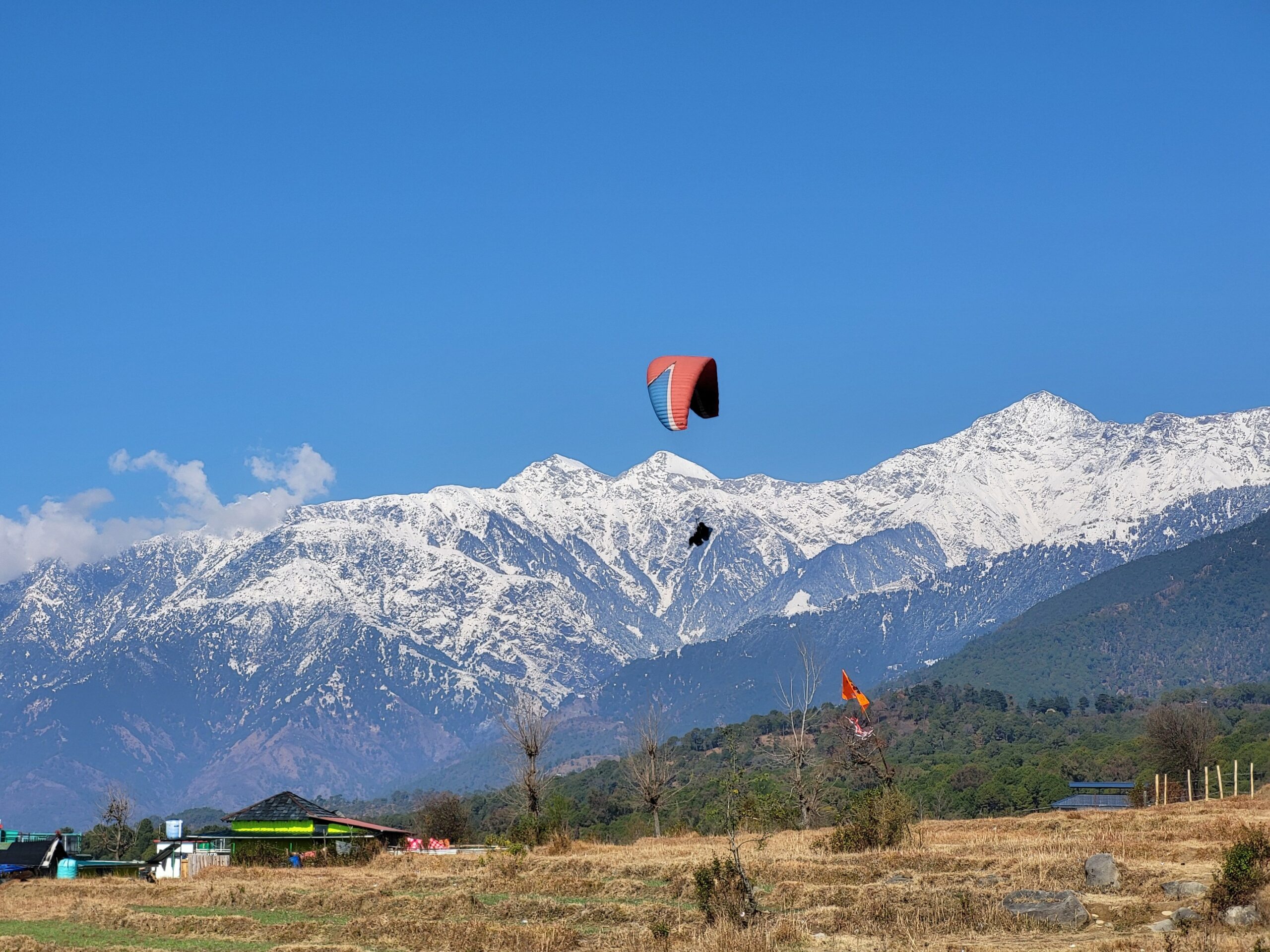
Yes, and the reason is geography. The Sarangkot ridge sits 1,000 m above Phewa Lake with the Annapurna range directly behind it, producing reliable thermals from October to April and a landing zone beside the water.
A tandem flight costs USD 80 to 110, lasts 25 to 30 minutes, and includes the transfer up to launch. Flights run between 09:00 and 14:00, when the thermals are working, and photographs from a wing-mounted camera add USD 20 to 30.
Longer options exist for anyone qualified. Cross-country flights, acro flights and the multi-day Himalayan cross-country season draw pilots from across Asia, and local schools run licence courses over one to two weeks.
The season matters here more than for most sports on this list. Monsoon from June to September shuts flying down for weeks at a time.
Where is the Best White Water Rafting in Nepal?
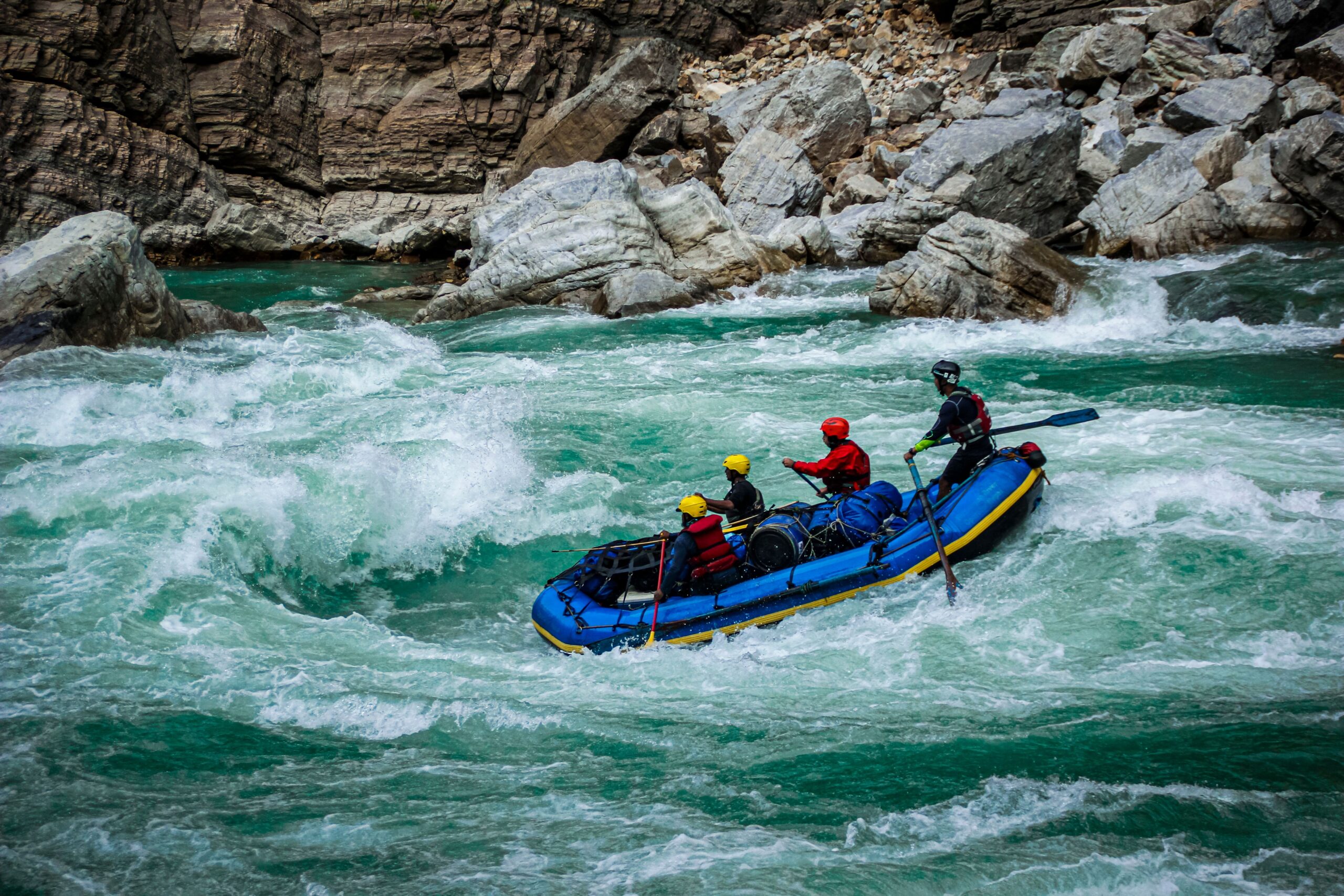
The Trishuli for a day trip and the Sun Kosi for a serious expedition. Nepal’s rivers drain the Himalaya, which gives steady volume and long continuous rapids rather than short technical drops.
| River | Days | Grade | Cost | Base |
| Trishuli | 1 to 2 | III to IV | USD 35 to 60 | On the Kathmandu to Pokhara road |
| Seti | 2 | II to III | USD 70 to 120 | Pokhara |
| Bhote Koshi | 1 to 2 | IV to V | USD 60 to 100 | 3 hrs from Kathmandu |
| Kali Gandaki | 3 | III to IV | USD 150 to 250 | Pokhara |
| Sun Kosi | 8 to 9 | III to V | USD 250 to 400 | Eastern Nepal |
The Trishuli is the convenient one because it sits on the main highway between Kathmandu and Pokhara, so a rafting day slots into a transfer that was happening anyway.
The Sun Kosi is the one rafters travel for. Nine days and 270 km through remote gorges with no road access, camping on river beaches, and it ranks among the better multi-day river trips anywhere.
Post-monsoon from late September to November is peak season, when water levels are high, and the rapids are at their most powerful.
How High is the Bungee Jump in Nepal?

160 m, over the Bhote Koshi River gorge near the Tibetan border, three hours from Kathmandu. The bungee jump in Nepal is among the highest bungee jumps in the world and uses a suspension bridge built specifically for it.
A jump costs USD 100 to 140, including transport and lunch, and the same site offers a swing at a similar height, which most people who have done both rate as the more frightening of the two.
Pokhara has a shorter alternative at around 70 m, closer to town and cheaper at USD 60 to 90, which works for anyone who wants the experience without the day-long round trip.
What is Mountain Biking in Nepal Like?
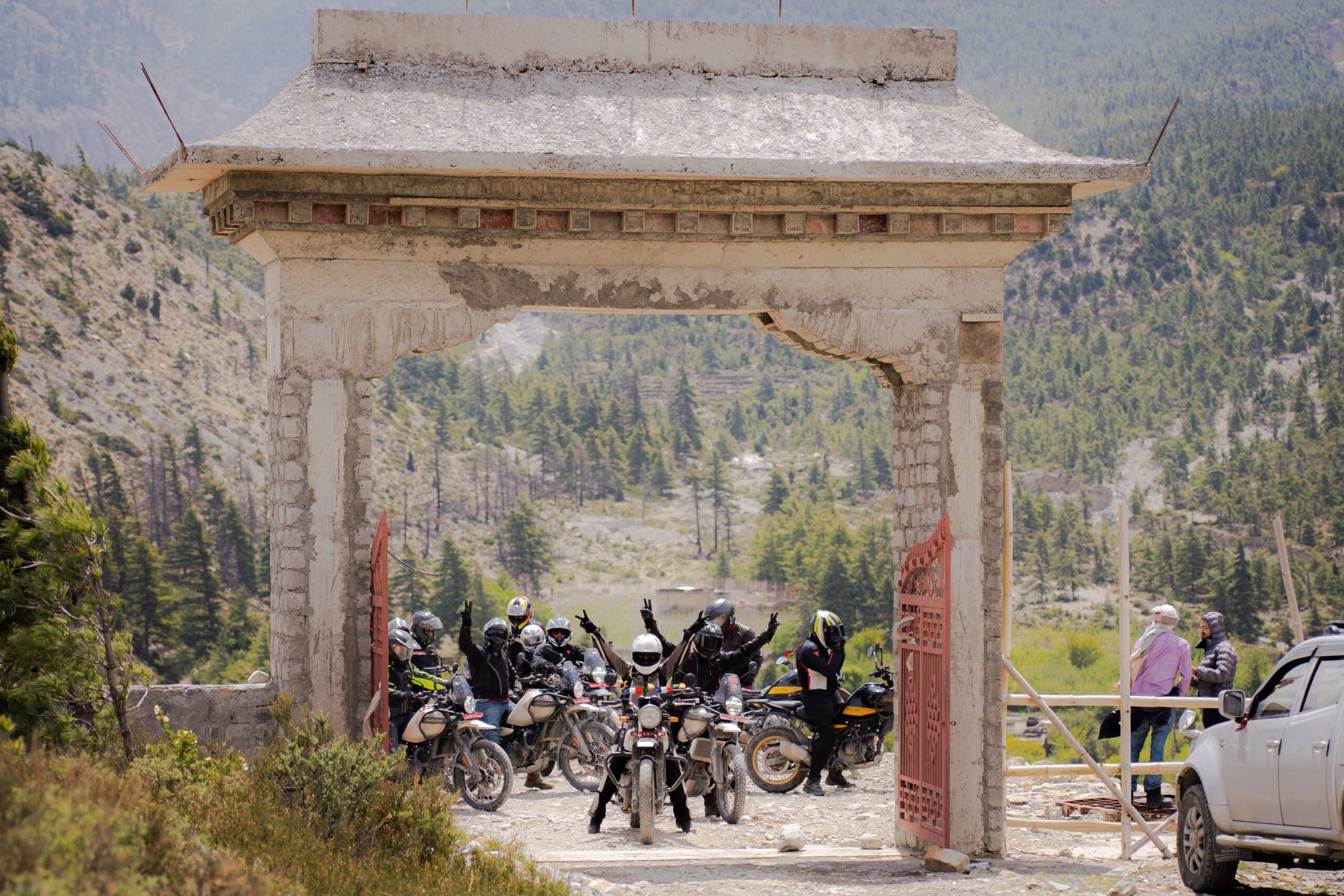
Technical, dusty, and steeper than almost anywhere. The Kathmandu Valley rim has a network of singletrack and old trade trails, and the Mustang region offers a multi-day ride through high desert on the jeep road and side trails.
| Ride | Days | Cost | Difficulty |
| Kathmandu Valley rim day rides | 1 | USD 40 to 80 with bike | Moderate to hard |
| Shivapuri or Nagarkot descents | 1 | USD 50 to 80 | Technical |
| Pokhara to Sarangkot | 1 | USD 40 to 70 | Hard climb, fast descent |
| Upper Mustang by bike | 8 to 12 | USD 1,800 to 2,800 | Hard, high altitude, permit required |
Bike rental runs NPR 2,500 to 5,000 a day for a decent full-suspension machine in Kathmandu or Pokhara, and operators include a guide, which is worth having given the trails are unsigned.
The Mustang ride needs the same USD 500 restricted-area permit as trekkers, plus two riders minimum and a licensed guide.
When Should You Visit for Adventure Sports?
October to November first, March to April second. Those four months deliver clear weather, stable conditions, and full operation across all six sports.
| Season | Trekking | Paragliding | Rafting | Biking |
| Oct to Nov | Best | Best | Best, high water | Good, dusty |
| Dec to Feb | Low routes only | Good | Low water, cold | Best, clear and dry |
| Mar to Apr | Best | Good | Good | Good |
| May | Hazy, hot | Fading | Rising water | Hot |
| Jun to Sep | Monsoon, avoid | Mostly shut | High and dangerous | Wet, leeches |
One exception is worth knowing. Upper Mustang sits in the Himalayan rain shadow north of the main range, so it stays dry through the monsoon and is the one region worth riding or trekking between June and September.
What Does an Adventure Sports Trip to Nepal Cost?
A two-week trip combining a trek with three day-sports lands between USD 1,600 and USD 2,600 per person excluding international flights.
| Item | Cost |
| Visa, 30 days | USD 50, cash at the airport |
| Guided 12-day trek | USD 1,200 to 1,900 |
| Paragliding tandem | USD 80 to 110 |
| Rafting day on the Trishuli | USD 35 to 60 |
| Bungee at Bhote Koshi | USD 100 to 140 |
| Mountain bike day | USD 40 to 80 |
| Kathmandu or Pokhara room | USD 15 to 70 a night |
| Insurance covering 6,000 m and heli rescue | USD 150 to 250 |
Insurance is the line not to cut. Policies must state cover for trekking to 6,000 m and helicopter evacuation, since a rescue flight from the Everest trail to Kathmandu is billed at USD 4,000 to 6,000, and standard travel cover stops at 3,000 m.
Carry cash for the mountains. There are no ATMs on any trekking route once the road ends, so NPR 30,000 to 45,000 should come out of a Kathmandu or Pokhara machine first.
Frequently Asked Questions
1. Which adventure sport should a first-timer pick?
A short trek plus paragliding in Pokhara. Both are accessible without experience, and together they cover the mountains from the ground and the air.
2. Is a guide required for all of them?
For trekking in national parks and conservation areas, yes, since April 2023. Rafting, paragliding, bungee and organised biking all come with guides or instructors as standard.
3. Can these be combined in two weeks?
Yes. A 12-day trek leaves little room, but a 7-day Annapurna route plus paragliding, rafting and a bike day fits comfortably into a fortnight.
4. How fit do you need to be?
For trekking, fit enough to walk five to seven hours a day for the length of the route. Paragliding, rafting and bungee need no particular fitness.
5. What about altitude sickness?
A real risk on the trekking routes above 3,500 m and irrelevant to the day-sports. Climbing slowly and taking the rest days is the only reliable prevention.
6. Is Nepal safe for adventure sports?
Operators on the main rivers and at the established paragliding and bungee sites run to international standards. Check for a registered operator and ask about equipment age and insurance.
7. When is the cheapest time to go?
December to February, when trekking lodge rates drop 20 to 40 percent, and the low-altitude routes, biking, and paragliding all still work.
8. Are permits needed beyond the trekking ones?
Mustang biking requires the same USD 500 restricted-area permit as trekkers. Rafting, paragliding, and bungee need none, with fees built into the operator price.